 Return to our list of blogs and latest insights on brain training
 Tinnitus


After a concussion or head injury, it’s not uncommon for a person to notice ringing, buzzing or humming in the ears. These sounds are often dismissed as temporary, but for some patients, the problem remains. Tinnitus can be a sign of a traumatic brain injury (TBI). Persistent tinnitus can interfere with mood, focus, sleep and overall quality of life.
If you’re experiencing tinnitus after an injury, this may be more than a problem with your ear; it may be due to the injury to your brain.
It is also possible to experience tinnitus independent of a head injury. Certain medications and health conditions are linked to the symptom, as well as increased levels of stress and anxiety.
Knowing what to do and how to seek help for this kind of problem can help you improve your quality of life during recovery.
What Is Tinnitus?
Tinnitus is a persistent ringing or other noise in one or both ears. Some people hear buzzing, hissing, humming or whooshing, but other sounds can also be tinnitus. The noises may be constant or intermittent. For some people, these sounds are highly disruptive.
Tinnitus After Traumatic Brain Injury
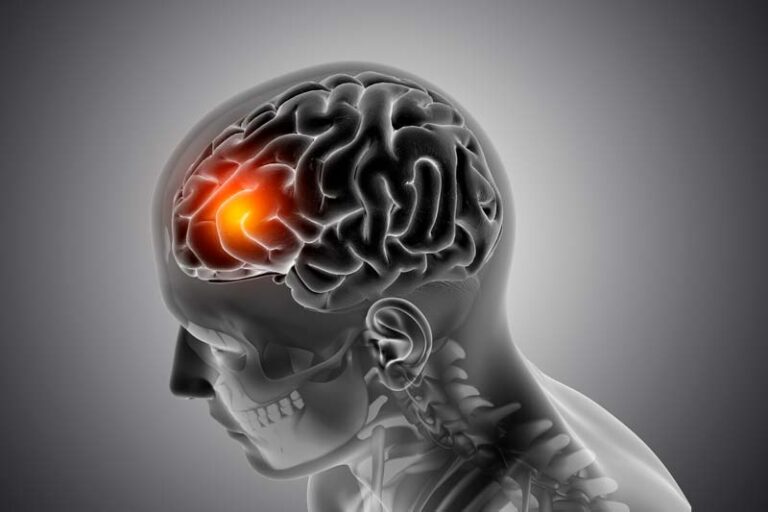
Traumatic brain injury can disrupt the brain in many ways. One thing that TBI can affect is the brain’s processing of sound.
How a Head Injury Triggers Tinnitus
There are multiple ways that a head injury can trigger tinnitus. It can do so by causing direct harm to the ear and its surrounding structures, by inducing inflammation and damage to the nerves or by injuring the brain regions responsible for sound perception.
Following a head injury, tinnitus is fairly common and is often viewed as a harmless side effect that won’t last long. Often, medical professionals focus on other symptoms to determine the severity of the injury, such as memory loss and dizziness.
What Does It Mean When Tinnitus Persists After TBI?
Tinnitus can be caused by brain patterns as well as ear damage. If brain patterns are disrupted during a head injury, the result could be an ongoing problem that can impact quality of life.
Following a head injury, the brain may remain in a heightened state. This can cause increased sensitivity to sound, hormonal changes and changes in emotional regulation. It can also affect the body’s ability to filter out noises and auditory signals.
When this happens, the brain may continue to generate or amplify sounds. People with TBI may have a reduced ability to calm themselves. This leads to stress and anxiety that can make tinnitus even worse.
How Tinnitus After TBI Affects Daily Life
Tinnitus can create difficulties that affect nearly every aspect of daily life. For many, tinnitus affects their ability to concentrate and focus on certain tasks and disrupts sleep. It increases stress and anxiety, causes frustration, impacts relationships, reduces the ability to work and generally leads to overall unhappiness.
Traditional Tinnitus Management Techniques
White noise can help mask tinnitus sounds for some relief. In some cases, hearing aids can help, and medications can be used for sleep and anxiety problems.
Unfortunately, these treatments address symptoms—not the underlying problem—and results can vary. Some people find these treatments more helpful than others.
Neurofeedback Treatment for Tinnitus
Neurofeedback is a non-invasive approach that can help change brain patterns. During Neurofeedback, the patient’s brainwaves are monitored, and feedback is provided to help them adjust their brain patterns. Over time, patients who undergo Neurofeedback can more easily regulate their brain function.
People who undergo Neurofeedback for many causes of tinnitus often report improved sleep quality, reduced tinnitus noise intensity, enhanced focus and decreased stress and anxiety.
To learn more about Neurofeedback and how it can help your tinnitus, contact Emerald Coast NeuroFeedback to schedule a consultation.
What to Expect During Neurofeedback Sessions
Neurofeedback is conducted in an office. Sensors are positioned on the head to track and monitor the electrical signals generated by the brain. Sessions are usually relaxing and calm.
During the sessions, the patient watches a screen or listens to audio feedback, which helps teach the brain how to develop better patterns. It does this by rewarding the brain with subtle sounds or visual images.
Eventually, patients learn to replicate the conditions that cause the desirable feedback. Over time, this trains the brain to develop desirable, functional patterns.
Are You A Good Candidate for Neurofeedback for Tinnitus?
If you’re experiencing tinnitus, Neurofeedback may be helpful if you haven’t found relief from traditional approaches. If you’ve been experiencing symptoms for more than a couple of weeks, contact Emerald Coast NeuroFeedback to find out if Neurofeedback is a good option for you.
Tinnitus Treatment in Pensacola and Fort Walton Beach
You don’t have to struggle with tinnitus alone. The professionals at Emerald Coast NeuroFeedback can help. For access to Neurofeedback services in Pensacola and Fort Walton Beach, contact us to schedule your consultation.